AberCollab Case Studies

Managing invasive mitten crab populations through European collaboration
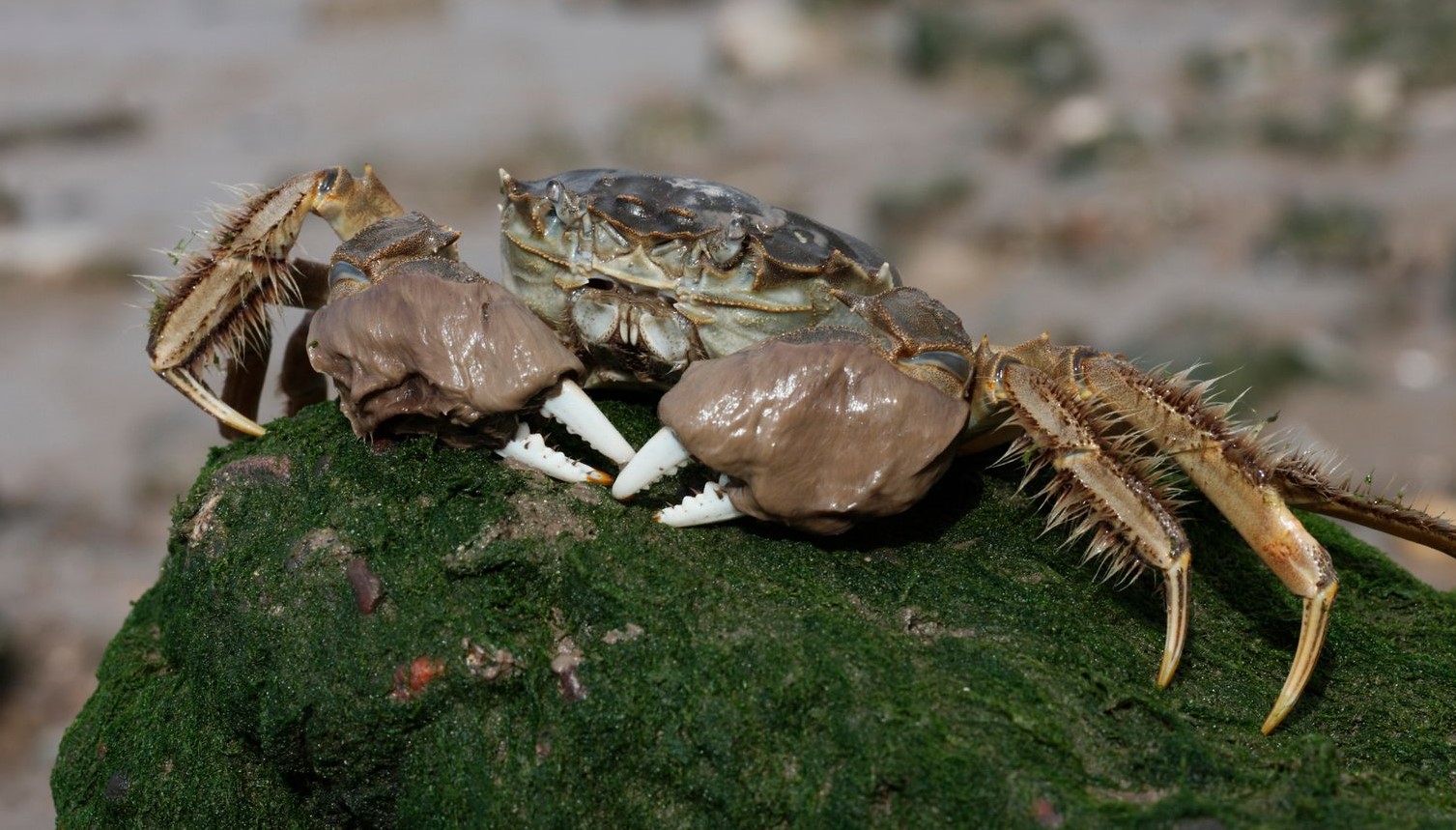
Rising numbers of non-native Chinese mitten crabs are causing problems in the waterways of Wales and other parts of the UK.
Listed as one of the world’s worst 100 invasive invertebrate species, the Chinese mitten crab is belived to have been carried to Europe in the ballast water of ships.
Its burrowing activity can damage riverbanks, while its impact on aquatic biodiversity threatens native species and fishing stocks.
Dr Joe Ironside from the Department of Life Sciences at Aberystwyth University has been working with PhD student Oscar Norton Jones to explore ways of monitoring and managing this invasive species.
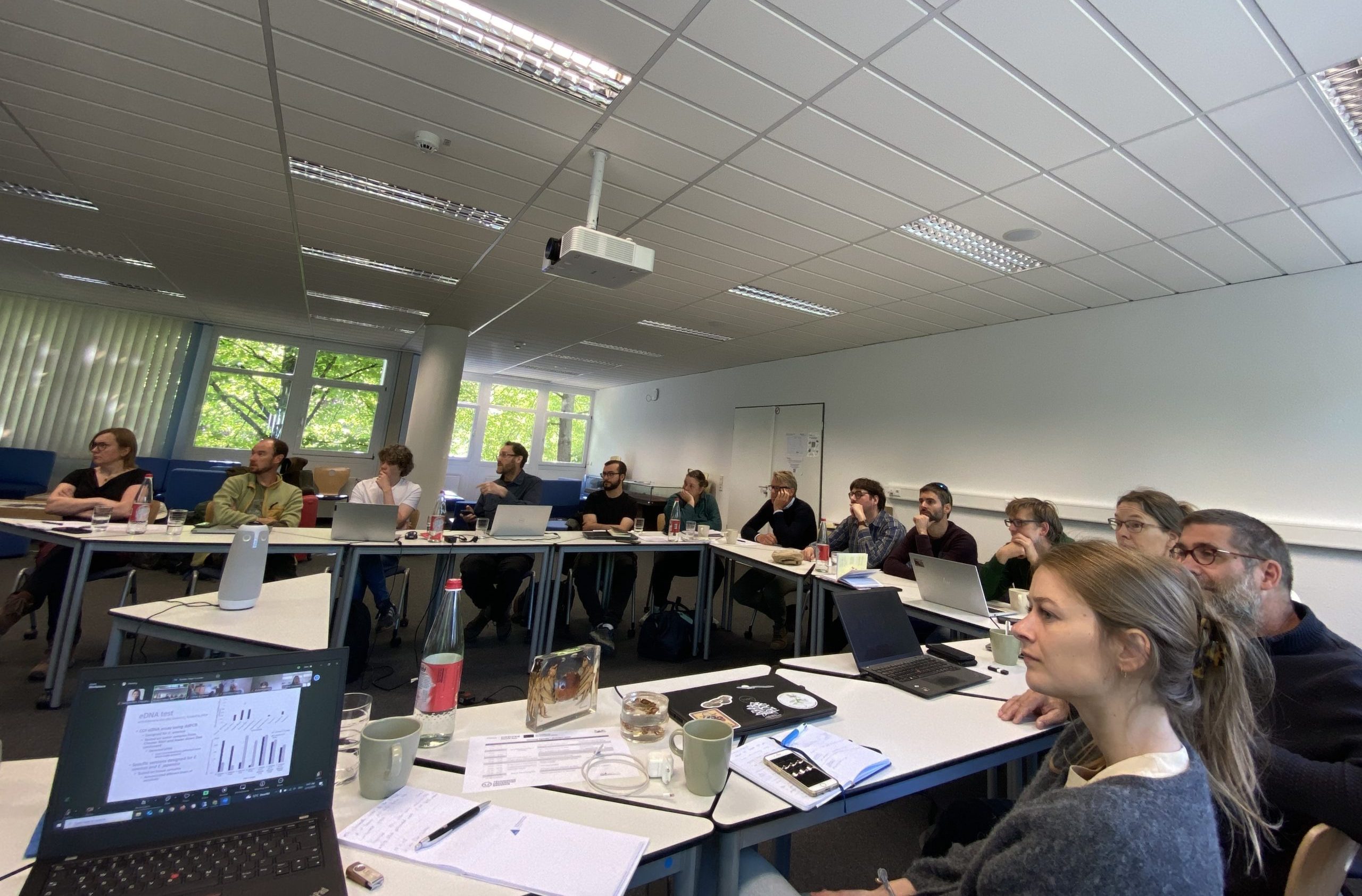
With funding from the AberCollab programme, both researchers travelled to Dresden in Germany to present their work at the annual conference of the Coastal Land and Sea Management for Climate Adaptations and Resilience in the North Sea Region (CLANCY), which is funded by the EU’s North Sea Interreg programme.
Dr Joe Ironside said: “Following Brexit, UK institutions cannot obtain funds from North Sea Interreg or become full partners on North Sea Interreg projects, but the CLANCY partners recognised that our work on non-native Chinese mitten crabs was complementary to theirs and invited us to attend their annual conference.
“Our research focuses on the genetics of mitten crab and how we can better detect their presence through using environmental DNA (eDNA) and refuge traps. We have also drawn up rapid site assessment criteria for the deployment of fixed traps.
“We were able to present our findings to an audience which included delegates from Flanders Environment Agency, Province of East-Flanders and University of Antwerp (Belgium), Cellule de Suivi du Littoral Normand (CSLN) and Groupe d’Etude des MilieuxEstuariens et Littoraux (GEMEL) (France), Technische Universität Dresden (TUD), Kiel University and Alfred Wegener Institute (Germany), University of Skövde (Sweden).”
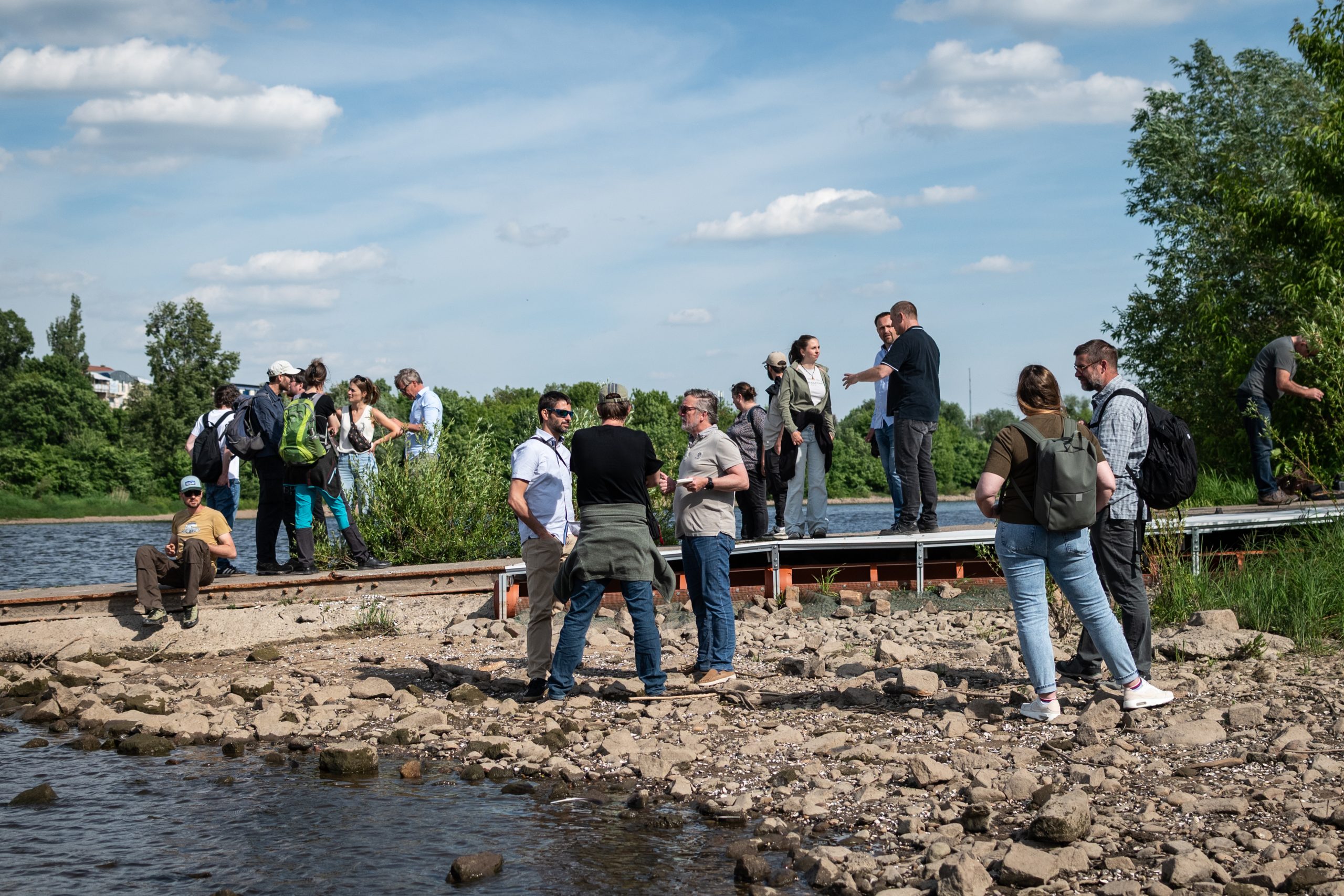
The Dresden meeting also included a visit to a fixed mitten crab trap on the Elbe River, which allowed the Aberystwyth scientists to compare the German design with their own prototype.
As a result of the conference, Dr Ironside and his PhD researcher are now collaborating with Dr Sonja Leidenberger (University of Skövde) on the use of eDNA to detect low-density mitten crab populations, and with Dr Christine Ewers (Kiel University) on population genetics of mitten crabs in Europe.
Oscar Norton Jones added: “We were able to contribute to CLANCY’s decision tree for management of mitten crabs and there has been a lot of interest in using our designs for refuge traps as a means of detecting and sampling adult and juvenile mitten crabs across Europe, which we hope will lead to a further collaborative project.
“We’re now associate members of the CLANCY project, able to attend their monthly online meetings and access the project’s online resources. This ongoing exchange of knowledge and expertise will be invaluable to our research here as well as our EU partners as we seek to stem the damage being caused by this invasive species.”