
AberCollab Case Studies

The role of farmers in climate science and policymaking
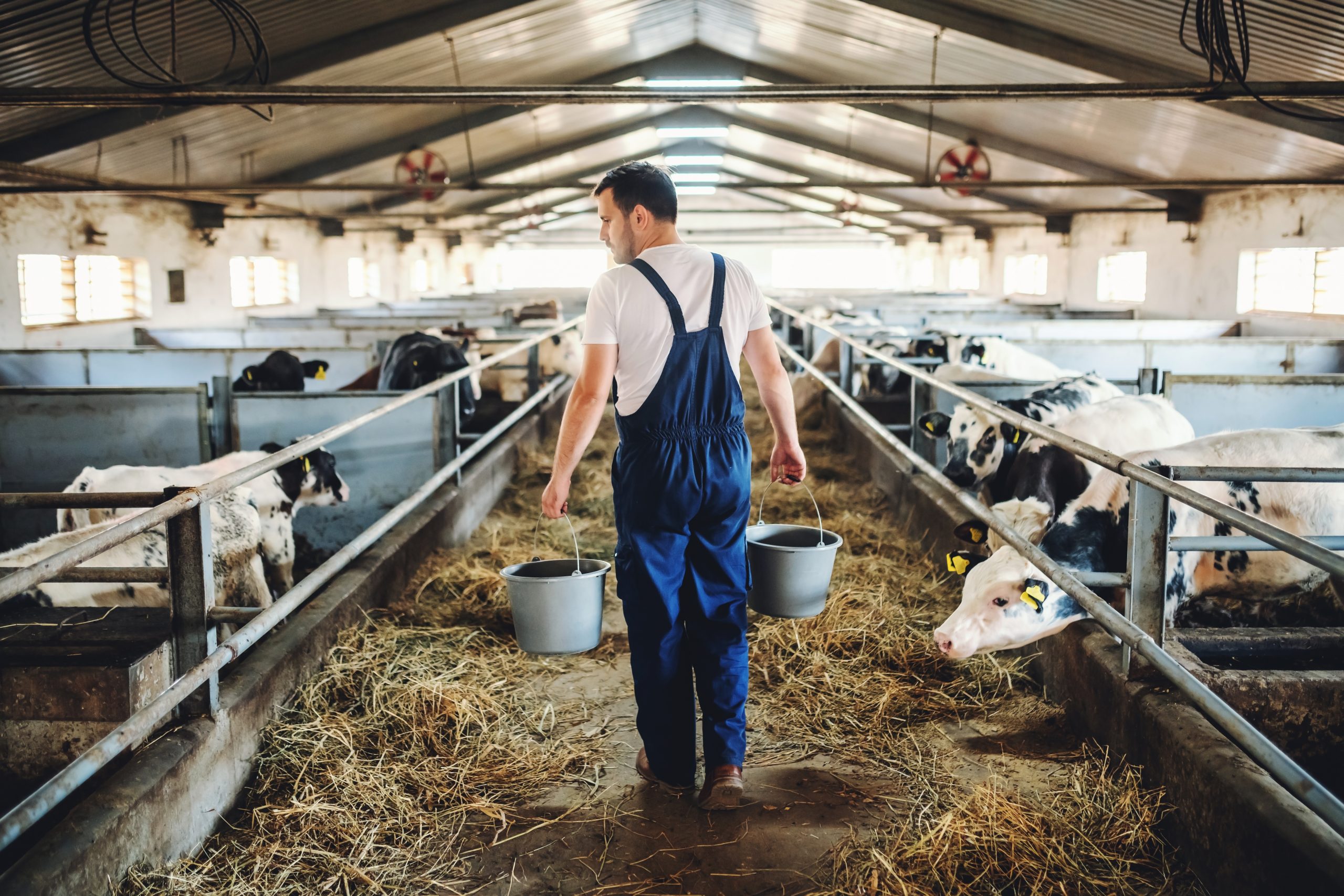
Farmers are coming under increasing pressure as policymakers look to agriculture as a way of addressing climate change and biodiversity loss.
With funding from the 2024-25 AberCollab programme, this research project set out to better understand the place of farmers in the policymaking process.
It also wanted to assess the extent to which farmers are recognised as valuable knowledge holders and contributors to successful policy outcomes.
Roundtable discussions
The project held a series of focused roundtable discussions with local farmers, policymakers and land use scientists to gather their views and understandings of the climate policymaking process, and the place and value of the agricultural community within this process.
The fourth and final session brought representatives of each of these groups together to discuss key findings as well as to identify potential methods for building future collaboration, scaling up this pilot study and devising more inclusive climate policymaking models.
Interdisciplinary project
This was an interdisciplinary project co-led by Dr Hannah Hughes at the University’s Department of International Politics and Professor Mariecia Fraser, Head of IBERS’ Pwllpeiran Upland Research Centre.
Dr Hannah Hughes said: “This AberCollab project allowed us to initiate a conversation on interdisciplinary methods and approaches that can bridge and facilitate collaboration between science, farming practice and national and international climate policymaking. Critically, the project allowed us to initiate relationship building with the local farming community – to hear their views and perspectives and to share with them the views and perspectives of climate scientists and policymakers.”
Professor Mariecia Fraser added: “Our study revealed a perceived lack of trust and communication between the different groups as well as a lack of transparency around how policy is devised and the evidence base that supports it. Through forging these collaborations, we hope to have highlighted the importance of including farmers at an early stage in successful policymaking and the wealth of knowledge they hold about the land and nature.”
The research team are now planning to scale up the project to enable them to identify and examine new models of co-creating climate policy with a range of communities where climate mitigation and adaptation necessitate changed ways of organising and conducting their lives and livelihoods.